
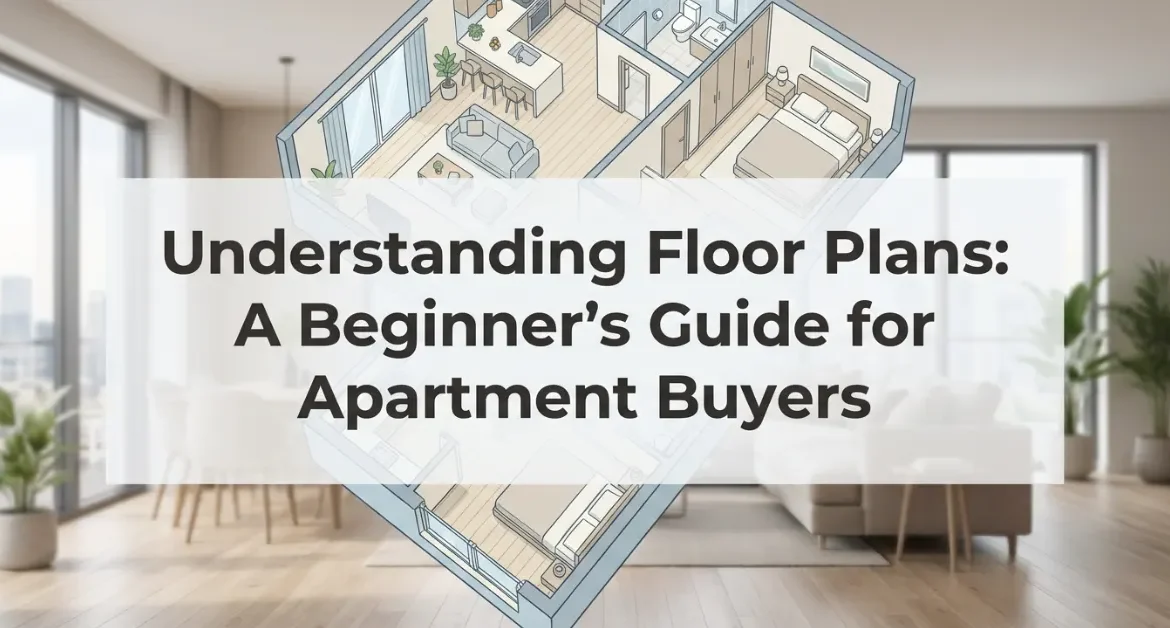
Buying an apartment is one of the most significant decisions in a person’s life. While location, amenities, and builder reputation often dominate the buyer’s attention, one aspect that is frequently overlookedbut equally crucialis the floor plan. A floor plan is not merely a diagram; it is the blueprint that determines the comfort, functionality, and practicality of your future home.
Whether you are a first-time buyer or an experienced investor, understanding how to read and analyse floor plans can make a significant difference in your purchase decision. A well-reviewed floor plan ensures that your home is not just visually appealing but also aligns with your lifestyle, providing convenience, privacy, and long-term value. This guide breaks down every essential aspect of floor plans in simple, beginner-friendly terms.
What Is a Floor Plan and Why Does It Matter?
A floor plan is a scaled diagram that shows the layout of rooms, spaces, and physical features of a home from a top-down perspective. It illustrates how spaces connect, where natural light enters, the positioning of furniture, and the movement flow within the apartment.
Understanding a floor plan is critical for several reasons:
- Space Utilisation: Even a large apartment can feel cramped if the layout is inefficient.
- Ventilation and Lighting: The positioning of windows and openings affects airflow and the amount of natural light entering your home.
- Privacy: Bedroom placement, corridor designs, and balcony orientation impact the overall privacy of the household.
- Functionality: A well-designed layout supports daily routines efficiently, avoiding clutter and inconvenience.
- Resale Value: Apartments with practical and thoughtful layouts often perform better in the resale market.
Without analyzing the floor plan carefully, buyers risk selecting a home that may appear attractive but fails to meet practical lifestyle requirements.
Key Elements You Should Look for in a Floor Plan
1. Carpet Area, Built-Up Area, and Super Built-Up Area
Many buyers misunderstand the different area measurements in real estate. Understanding these terms is crucial to evaluate the space accurately:
- Carpet Area: The actual usable area within the walls of your unit where you can lay a carpet.
- Built-Up Area: Carpet area plus the thickness of walls and balconies.
- Super Built-Up Area: Built-up area plus the proportionate share of common areas such as corridors, lifts, lobbies, and clubhouses.
While developers often promote apartments based on super built-up area, the carpet area is the real determinant of usable living space. Buyers should always compare carpet areas across units rather than relying solely on super built-up figures
2. Room Dimensions and Proportions
The dimensions of each room play a significant role in how comfortable and spacious the home feels. Consider these points:
- Rectangular rooms generally feel more spacious than square-shaped ones.
- Bedrooms should accommodate a queen-size bed, wardrobe, and walking space without feeling cramped.
- Living rooms should have enough space for sofas, entertainment units, and smooth movement paths.
- Kitchens should allow a functional work triangle, space for appliances, and storage cabinets.
When reviewing room dimensions, it is helpful to visualise your furniture layout to ensure it fits comfortably within the space.
3. Orientation and Natural Lighting
A good floor plan ensures proper natural lighting and ventilation. Window placement, balcony orientation, and unit position determine how sunlight and airflow circulate throughout the home.
- East-facing units receive soft morning sunlight, which is ideal for bedrooms and living spaces.
- West-facing units get stronger evening sunlight, which can be warmer during summers but provides bright light in the evenings.
- Corner units usually benefit from cross-ventilation due to multiple exterior walls.
Homes with poor ventilation can feel dark, damp, and uncomfortable, while well-ventilated apartments offer a healthier, energy-efficient, and more pleasant living environment.
4. Privacy Considerations
Privacy is an essential factor that is often overlooked. A thoughtfully designed floor plan ensures that:
- Bedrooms are located away from the main entrance.
- Balconies face open views rather than neighboring apartments.
- Bathrooms are not directly visible from living or dining areas.
For families, working professionals, or individuals who value solitude, privacy is key to a comfortable and functional living experience.
5. Kitchen Layout and Utility Placement
The kitchen is the heart of any home. Floor plans typically indicate whether the kitchen is:
- Open: Integrates with the living or dining space, offering a modern look.
- Semi-open: Provides partial separation while maintaining openness.
- Closed: Completely separated from other areas, keeping cooking smells contained.
Utility areas, such as laundry or storage spaces, should ideally be close to the kitchen to ensure convenience. A functional kitchen layout significantly improves daily usability and efficiency.
6. Flow of Movement
Movement within a home should feel natural and seamless. A poorly designed layout can include:
- Long, wasted corridors.
- Odd corners or obstructive structural elements.
- Rooms that feel disconnected from common areas.
- Inconvenient entry points into critical spaces.
The living, dining, and kitchen areas should connect logically, while bedrooms should offer accessibility and privacy.
7. Balcony and Outdoor Space
Balconies and terraces enhance the living experience by providing fresh air, light, and leisure areas. When assessing outdoor spaces, consider:
- Size and functionality of the balcony.
- Direction of the view, whether it is open or overlooks other buildings.
- Accessibility from living rooms or bedrooms.
A well-sized balcony can serve multiple purposes such as a reading corner, a mini-garden, or a place to unwind.
8. Storage and Utility Spaces
Adequate storage is essential for maintaining an organised, clutter-free home. Consider the availability of:
- Wardrobe niches
- Loft or overhead storage
- Kitchen cabinets and pantry space
- Utility rooms for laundry
- Shoe racks and washbasin areas
Smart storage solutions make a significant difference in the day-to-day comfort and functionality of a home.
Understanding Different Types of Floor Plans
Builders typically use several types of floor plans to convey the home’s design:
- 2D Floor Plan: A flat drawing showing room sizes, walls, and layout from above. Essential for accurate measurements and basic spatial understanding.
- 3D Floor Plan: Offers depth, textures, and furniture placement to help buyers visualise the home post-furnishing.
- Layout Plan: Shows the placement of multiple units within a building or community, including lifts, amenities, and open spaces.
- Elevation Plan: Depicts the exterior view, showcasing the architectural style, building height, and symmetry.
Understanding each type of plan helps buyers make informed decisions about both interiors and overall building structure.
Common Floor Plan Mistakes Buyers Should Avoid
Even informed buyers can make errors if they overlook key considerations:
- Choosing apartments based solely on size, without considering layout efficiency.
- Ignoring ventilation and natural lighting, which affects comfort.
- Overlooking door and window placements, which impact privacy and functionality.
- Neglecting structural columns that cannot be removed and affect furniture placement.
- Failing to consider personal lifestyle and family routines in the layout choice.
Avoiding these mistakes ensures a home that is both practical and enjoyable to live in.
How to Compare Floor Plans Between Different Apartments
When evaluating multiple apartments, buyers should compare:
- Carpet area versus built-up area
- Number and placement of bathrooms
- Balcony size, orientation, and accessibility
- Kitchen type, layout, and storage potential
- Connectivity between dining and living areas
- Bedroom locations and privacy
- Overall space efficiency
- Ventilation and natural light availability
This comparison allows buyers to choose a home that meets their immediate needs while accommodating future requirements.
Why Understanding Floor Plans Helps You Make a Better Investment
A well-thought-out floor plan provides long-term advantages:
- Comfort and Convenience: Efficient layouts support everyday life.
- Energy Efficiency: Proper ventilation and natural lighting reduce electricity consumption.
- Lower Maintenance Costs: Well-designed spaces are easier to maintain and keep organised.
- Better Resale Value: Apartments with functional layouts are more attractive to future buyers.
- Enhanced Living Experience: A layout designed with lifestyle in mind improves daily life quality.
In short, a smartly designed floor plan ensures every square foot of the apartment contributes to a practical and enjoyable living experience
FAQ
What is the most important feature to look for in a floor plan?
The carpet area and the efficiency of space utilisation are the most important. A well-planned layout ensures that every room is functional and comfortable without wasted space.
How can I check if a floor plan has good ventilation?
Examine the number and placement of windows, balcony openings, and whether opposite openings allow cross-ventilation. Corner units generally offer better airflow than middle units.
Are 3D floor plans better than 2D?
3D floor plans provide a realistic view of interiors and help visualise furniture arrangements. However, 2D plans are critical for understanding accurate measurements and overall layout. Both complement each other.
Should I choose an east-facing or west-facing apartment?
East-facing apartments receive morning sunlight, which is soft and energy-efficient. West-facing units get stronger evening sunlight, ideal if you prefer brighter evenings. Climate, lifestyle, and energy consumption patterns should guide the choice.
Can floor plans change during construction?
Minor adjustments may occur, but major changes are rare once approvals are secured. Always confirm updates and modifications directly with the builder.
Why do apartments with similar super built-up areas have different prices?
Variations in price may arise from orientation, ventilation, view, floor level, layout efficiency, and proximity to amenities. Even small differences in design can influence property value.
How do I evaluate the practicality of kitchen layouts?
Check for the type of kitchen (open, semi-open, closed), proximity to utility areas, storage availability, and ease of movement between cooking, washing, and dining spaces.
Why is balcony orientation important?
Balcony orientation affects sunlight, privacy, and airflow. Balconies facing open spaces offer better views and ventilation, while balconies facing other buildings may compromise privacy and light.