
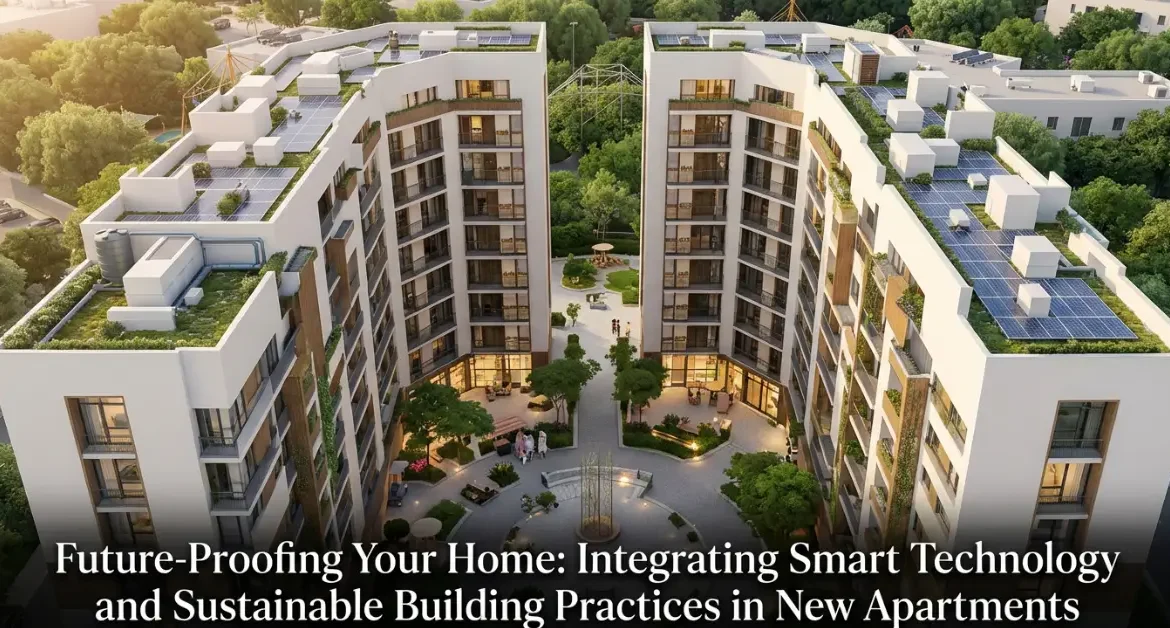
In today’s fast-paced world, homebuyers are no longer looking for just a roof over their heads. Modern homeowners seek spaces that enhance their lifestyle, offer long-term financial savings, and adapt to technological advancements.
The concept of “future-proofing” your home has emerged as a key trend, particularly in urban centers where space, energy efficiency, and sustainability are high priorities. New apartments that integrate smart technology with sustainable building practices cater perfectly to the modern, tech-savvy buyer, offering both convenience and long-term value.
Future-proof apartments are designed not only to meet current needs but also to remain relevant as technologies evolve and environmental standards become stricter. For homebuyers, this translates into living spaces that are comfortable, energy-efficient, and adaptable, ultimately ensuring that their investment retains value over time.
Understanding Future-Proof Homes
Future-proofing a home involves creating a living environment that remains functional, efficient, and desirable for years to come, even as technology and environmental regulations change. In practical terms, a future-proof apartment combines smart home features with sustainable construction practices to deliver convenience, safety, and financial benefits.
Investing in a future-proof home is not merely about comfort—it is also about sustainability and long-term financial prudence. With urbanization increasing rapidly and utility costs rising, apartments that incorporate smart and eco-friendly features can significantly reduce energy bills, minimize maintenance, and support environmentally responsible living.
Additionally, these apartments maintain higher resale value, making them attractive not only for personal use but also for long-term investment.
Smart Technology in Modern Apartments
Smart technology has transformed the way people live, making homes more convenient, secure, and energy-efficient. Modern apartments are increasingly being equipped with devices and systems that allow residents to control various aspects of their home using smartphones, voice assistants, or centralized panels. Here are the key smart technologies currently reshaping apartment living:
1. Smart Lighting Systems
Smart lighting systems allow residents to control brightness, color, and timing remotely. These systems can adjust automatically based on natural light availability or occupancy, reducing electricity usage and utility costs. Programmable lighting scenarios—such as work, relaxation, or entertainment modes—enhance convenience and improve the overall ambiance of a home.
2. Intelligent Climate Control
Smart thermostats and climate control systems optimize heating, ventilation, and air conditioning (HVAC) according to real-time occupancy and weather patterns. These systems not only improve comfort but also contribute to substantial energy savings by avoiding unnecessary usage. Residents can schedule temperature settings remotely or automate climate preferences, making apartments energy-efficient and cost-effective.
3. Home Security Solutions
Smart security features, including CCTV cameras, motion sensors, smart locks, and alarm systems, provide enhanced safety. Residents can monitor their homes remotely, receive instant alerts, and grant temporary access to guests or service personnel. Integration with smartphones and cloud services ensures peace of mind, particularly for residents who travel frequently or live in multi-unit apartments.
4. Automated Appliances
Smart appliances—from refrigerators that track groceries to washing machines and ovens with remote controls—simplify daily chores and reduce energy wastage. Many devices include energy usage analytics, enabling residents to make informed decisions about power consumption and maintenance. Automated appliances save time and resources, supporting a modern, tech-driven lifestyle.
5. Integrated Home Entertainment
Smart home entertainment systems offer seamless connectivity between devices, streaming platforms, and audio setups. Residents can control all entertainment features from a single application, avoiding the clutter of multiple remotes or incompatible devices. This integration enhances convenience and makes the home environment more enjoyable and personalized.
Sustainable Building Practices
While technology enhances convenience, sustainable building practices ensure long-term environmental and financial benefits. Green construction reduces energy consumption, lowers utility costs, and contributes to a healthier living environment. Key sustainable practices include:
1. Energy-Efficient Design
Future-ready apartments are designed to maximize natural light and ventilation, reducing dependence on artificial lighting and air conditioning. Insulated walls, double-glazed windows, reflective roofing, and energy-efficient fixtures further improve thermal performance and minimize energy consumption. These design considerations contribute to a comfortable living environment while lowering long-term operational costs.
2. Water Conservation Systems
Modern apartments often integrate rainwater harvesting, water-efficient plumbing, and greywater recycling systems. These initiatives reduce water wastage, promote responsible consumption, and help residents save on monthly water bills. Environmentally conscious homebuyers increasingly consider water conservation a key factor when selecting properties.
3. Sustainable Materials
Eco-friendly building materials, such as recycled steel, low-VOC paints, and sustainably sourced timber, minimize the environmental impact of construction. In addition to being durable and low-maintenance, these materials contribute to healthier indoor air quality and long-term cost savings for homeowners.
4. Renewable Energy Integration
Solar panels, wind energy, or hybrid solutions can supplement conventional electricity supply, reducing reliance on the grid. Apartments with renewable energy infrastructure not only reduce monthly electricity costs but also help residents actively lower their carbon footprint, aligning with global sustainability goals.
5. Waste Management
Efficient waste management systems—including recycling facilities, bio-waste processing, and proper waste segregation—support sustainability and promote healthier living spaces. These systems ensure that residents can contribute to environmental responsibility without additional effort.
Benefits of Combining Smart Technology with Sustainability
Integrating smart technology with sustainable building practices creates a synergy that benefits homeowners in multiple ways:
- Cost Savings: Smart monitoring systems optimize energy and water usage, significantly reducing utility bills over time.
- Enhanced Comfort: Automated climate control, lighting, and appliances create personalized living experiences, enhancing overall convenience.
- Security and Safety: Smart home systems provide peace of mind by allowing real-time monitoring, alerts, and access control.
- Environmental Responsibility: Sustainable features reduce carbon emissions and resource consumption, supporting a more eco-conscious lifestyle.
- Increased Property Value: Apartments equipped with smart and sustainable features are increasingly sought after, ensuring higher resale value and better marketability.
By combining technology with sustainability, residents gain long-term financial benefits while enjoying a modern, comfortable, and secure living environment.
Challenges and Considerations
While future-proof homes offer numerous advantages, prospective buyers should consider potential challenges:
- Initial Costs: Smart and sustainable features often require higher upfront investment, though long-term savings on utilities and maintenance offset these costs.
- Technological Obsolescence: Rapid advancements in technology may render some systems outdated. Choosing modular and upgradeable solutions helps mitigate this risk.
- Maintenance: Smart devices and sustainable systems require periodic servicing to maintain optimal performance.
- Compatibility: Integrating multiple smart systems requires careful planning to ensure seamless operation across devices.
By being aware of these factors, buyers can make informed decisions and maximize the long-term benefits of a future-proof apartment.
Future Trends in Apartment Living
The future of residential apartments is increasingly defined by technology and sustainability. Developers are now focusing on creating connected, energy-efficient communities that reduce environmental impact while enhancing residents’ lifestyles. Emerging trends include:
1. AI-Driven Home Management
Artificial intelligence is expected to optimize energy usage, security, and automation by predicting occupant behavior and environmental patterns, further improving efficiency and convenience.
2. Smart Community Spaces
Shared amenities, including gyms, co-working areas, and recreational facilities, will be equipped with smart booking systems, occupancy tracking, and automated management to enhance the resident experience.
3. Green Certification and Ratings
Apartments with certifications such as LEED, IGBC, or GRIHA will gain preference among buyers. Green-rated buildings indicate energy efficiency, environmental responsibility, and long-term durability.
4. Integration of Electric Vehicle Infrastructure
Sustainable apartment complexes will increasingly include EV charging stations, enabling residents to adopt clean transportation solutions seamlessly.
5. Connected Smart Communities
Entire residential complexes will leverage technology for energy optimization, security, waste management, and convenience, creating a cohesive and future-ready living ecosystem.
Conclusion
Future-proofing your apartment by integrating smart technology and sustainable building practices is no longer just a trend—it is a lifestyle choice. Homes designed with these principles offer convenience, security, cost savings, and long-term financial benefits while promoting environmental responsibility.
For buyers, investing in such apartments ensures a modern, comfortable, and efficient living experience. With technology evolving rapidly and sustainability becoming increasingly essential, properties that embrace these principles are poised to lead the market, offering higher value, better rental prospects, and enhanced resale potential.
Ultimately, future-proof homes are a strategic investment in both lifestyle and long-term wealth, combining modern convenience with ecological responsibility and financial prudence.
FAQ
What does it mean to future-proof an apartment?
Future-proofing involves designing and equipping a home to remain functional, efficient, and valuable over time, even as technology and environmental standards evolve. This includes integrating smart systems and sustainable building practices.
How does smart technology help reduce energy costs?
Devices such as intelligent thermostats, automated lighting, and smart appliances optimize energy usage based on real-time data and occupancy, minimizing waste and lowering utility bills.
Are sustainable building materials more expensive?
Some eco-friendly materials may have higher upfront costs, but they are typically durable and low-maintenance, resulting in long-term savings and environmental benefits.
Can I upgrade my smart home systems in the future?
Yes. Modular and adaptable smart systems allow for easy upgrades, ensuring that your apartment remains technologically relevant over time.
What certifications should I look for in a sustainable apartment?
Green building certifications such as LEED, IGBC, or GRIHA indicate that the property adheres to energy-efficient and environmentally responsible construction standards.
Do sustainable apartments impact resale value?
Yes. Apartments with sustainable and smart features are highly desirable among buyers, resulting in better resale value and faster sales.
Is it necessary to hire a specialist for installing smart home systems?
Professional installation ensures compatibility, security, and optimal performance, especially for integrated systems. Simple smart devices can often be installed by residents themselves.
How do future-proof apartments contribute to long-term savings?
By reducing energy and water consumption, optimizing appliance use, and minimizing maintenance needs, these homes provide significant cost savings over their lifetime.