
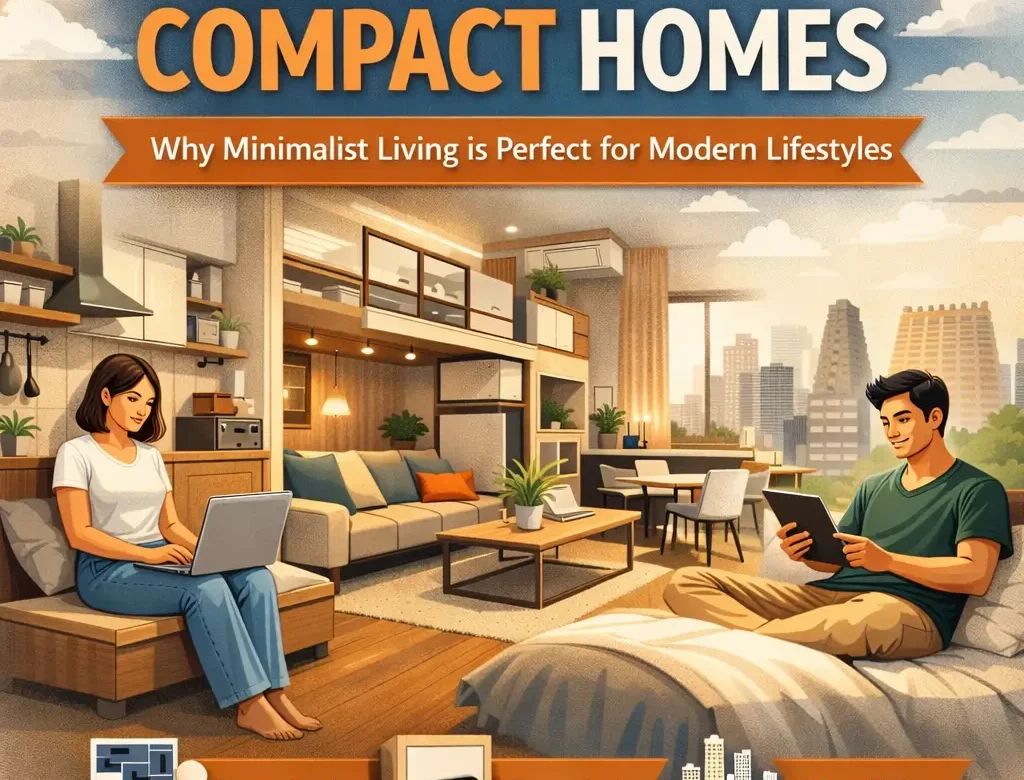
In the past decade, the housing preferences of young professionals have undergone a remarkable transformation. While earlier generations prioritized large homes with multiple rooms, expansive storage, and sprawling layouts, today’s urban workforce is embracing a different approach. Compact homes and minimalist flats are increasingly becoming the choice of millennials and Gen Z professionals who value convenience, efficiency, and modern living experiences without the burden of unnecessary space.
This trend is evident across major metropolitan cities as well as tier-2 hubs such as Trichy, Coimbatore, and Madurai. Rising real estate prices, evolving lifestyles, and the growing appeal of minimalism have fueled demand for smaller yet intelligently designed homes that provide comfort, style, and functionality.
This blog delves into why compact homes are becoming the preferred choice for young professionals and how minimalist living aligns perfectly with contemporary urban lifestyles.
Understanding the Concept of Compact Homes
Compact homes are residential units designed with efficient layouts that maximize the use of available space. Unlike traditional large apartments that often leave unused areas, compact homes prioritize:
- Smart layouts that allow seamless movement and avoid wasted space
- Multi-purpose areas that serve more than one function, such as living-dining combos or foldable workstations
- Innovative storage solutions to keep essentials organised, like wall-mounted cabinets and overhead lofts
- Functional furniture such as foldable beds, modular cabinets, and convertible seating
- Clean, simple interiors that enhance a sense of spaciousness and reduce clutter
- Optimal use of light and ventilation through large windows, ventilated layouts, and open-plan designs
The objective is to create a living environment that feels larger than its footprint while offering practicality and comfort. Typically, compact homes include:
- Studio apartments designed for single occupants or young couples
- 1 BHK units with multifunctional layouts
- Efficiently designed 2 BHK flats for small families
These homes focus on usability and convenience rather than sheer size, making them ideal for professionals seeking a low-maintenance, functional lifestyle.
Why Young Professionals Are Choosing Compact, Minimalist Homes
1. Affordable and Practical for Early-Career Buyers
For many young professionals, purchasing a home marks their first significant financial milestone. Compact homes are financially accessible compared to larger apartments and come with multiple economic advantages:
- Lower EMIs for home loans, reducing monthly financial strain
- Reduced property taxes due to smaller built-up areas
- Minimal maintenance charges and utility bills
- Cost-effective furniture and interior design due to the smaller space
Affordability allows early-career buyers to enjoy the independence of homeownership without compromising financial stability. Investing in a smaller flat provides financial flexibility while establishing a long-term asset that appreciates over time.
2. Ideal for Today’s Fast-Paced Lifestyle
Modern professionals often have demanding schedules, leaving little time for maintaining large homes. Compact flats minimize the effort required for upkeep:
- Less cleaning and organising due to smaller square footage
- Fewer repairs and maintenance issues
- Streamlined day-to-day management
The simplicity of these homes frees up time for work, fitness, hobbies, travel, and social activities, aligning perfectly with the lifestyle of busy professionals.
3. Encourages a Clutter-Free, Organised Lifestyle
Minimalist homes naturally promote intentional living. Limited space encourages residents to keep only essentials and avoid unnecessary clutter. Benefits of this approach include:
- A calm, stress-free environment conducive to mental well-being
- Better organisational habits and tidier living spaces
- Improved mental clarity and focus, which is vital for remote or hybrid work setups
- Higher productivity levels due to a well-structured home
A compact, well-designed home fosters a sense of discipline and mindfulness, helping professionals balance work and personal life efficiently.
4. Perfect for Remote Work and Hybrid Lifestyles
With remote and hybrid working models becoming mainstream, young professionals need homes that are adaptable and functional. Compact flats often integrate:
- Small study or work corners
- Foldable or multifunctional workstations
- Smart storage solutions for documents, electronics, and accessories
- Multi-purpose furniture such as sofa beds or desks with integrated storage
Even smaller spaces can support productive home offices without compromising living comfort. This flexibility makes compact homes ideal for professionals navigating the new normal of hybrid work.
5. Located in Prime and Well-Connected Areas
Compact homes require less land, allowing developers to build them in central, well-connected locations. Young professionals prefer living near:
- Workplaces and office hubs to reduce commuting stress
- Cafes, restaurants, and lifestyle zones for leisure and networking
- Shopping centers and essential services for daily convenience
- Educational institutions and skill development centers
- Public transport facilities for seamless connectivity
- Fitness and entertainment centers to support an active lifestyle
Living in a compact flat in a prime area reduces travel time, improves convenience, and enhances lifestyle quality. Many professionals prefer a smaller home in a central location over a larger apartment in a distant suburb, valuing accessibility and social vibrancy over sheer size.
6. Modern Amenities at a Reasonable Cost
Developers increasingly offer compact homes within gated communities or apartment projects equipped with premium amenities, enabling a modern lifestyle without the high costs of larger homes:
- Gym and fitness centers for health-conscious residents
- Swimming pools for leisure and relaxation
- Co-working spaces and lounges for flexible work setups
- Party halls and multipurpose rooms for social gatherings
- Rooftop terraces and gardens for outdoor recreation
- Indoor gaming zones for entertainment
- 24/7 security for peace of mind
These amenities provide young professionals with a luxurious living experience without the higher costs associated with larger flats, making compact homes highly appealing.
7. Sustainable and Eco-Friendly Living
Minimalist homes align closely with sustainability goals. Compact units consume fewer resources during construction and daily use, including:
- Reduced electricity consumption due to smaller interiors and energy-efficient lighting
- Lower water usage from optimized plumbing and fittings
- Smaller carbon footprint compared to larger apartments
- Efficient utilisation of building materials, contributing to eco-friendly construction
Environment-conscious buyers prefer homes that allow them to live responsibly while maintaining comfort and convenience, making compact flats a natural choice for sustainability-minded professionals.
8. Smart Home Features Fit Perfectly in Compact Space
The rise of smart home technology complements compact living, making homes more efficient and convenient. Young professionals often integrate:
- Smart lighting systems to control ambiance and reduce energy use
- App-controlled devices for appliances and climate control
- Voice-activated assistants for seamless control of home systems
- Energy-efficient appliances to reduce utility costs
- Automated security systems for safety
These features make compact homes feel modern, high-tech, and seamless, enhancing the overall living experience without consuming additional space.
9. Higher Rental Demand and Better Investment Returns
Compact homes are highly marketable and attract a wide demographic, including:
- Students attending nearby colleges and universities
- Young professionals seeking affordable homes
- Single occupants and small families
Advantages for investors include:
- Higher occupancy rates due to widespread appeal
- Faster rental turnover as demand remains consistent
- Better rental yield compared to larger, less affordable units
- Ease of resale because of consistent demand
The combination of affordability, convenience, and high demand makes compact flats an attractive investment option, offering both short-term rental income and long-term asset appreciation.
10. Flexible Interior Design and Adaptable Layouts
Compact homes provide opportunities for creative interior design that maximizes space while maintaining comfort. Popular design elements include:
- Wall-mounted furniture and foldable beds to save floor space
- Sliding doors and partition-less spaces to improve openness
- Mirrors to visually expand interiors and create depth
- Minimal décor with modern finishes for aesthetics
Young buyers enjoy customizing these homes to reflect personal style while optimizing every square foot for functionality, making compact flats highly versatile and contemporary.
How Minimalist Living Aligns with Modern Values
Minimalism is more than an aesthetic choice; it reflects a lifestyle that resonates with young professionals today. Key aspects include:
- Focus on Experiences Over Possessions: Young buyers prioritize travel, skill development, hobbies, and personal growth rather than accumulating material possessions.
- Freedom and Flexibility: Owning a compact home provides mobility and career flexibility without the burden of maintaining a large property.
- Mental Peace and Simplicity: A clutter-free, organized environment contributes to better mental health and reduced stress.
- Environmental Responsibility: Minimalist living supports sustainable practices and conscious consumption, a priority for modern generations.
Are Compact Homes the Future of Urban Living?
With rising urbanization, evolving lifestyles, and changing buyer preferences, compact homes are poised to be a long-term trend. The real estate industry is responding with innovative designs that cater to space-conscious yet lifestyle-focused buyers:
- Micro-luxury apartments that combine aesthetics with functionality
- Studio-style homes for singles or couples
- Smart flats with modular furniture for maximum usability
- Efficiently planned 1 BHK units for early-career buyers
- Compact yet premium 2 BHK flats for small families
As cities expand and land becomes increasingly valuable, compact homes will play a critical role in shaping future urban residential development, combining affordability, convenience, and style.
FAQ
Are compact homes suitable for long-term living?
Yes. With efficient layouts and smart design, compact homes can comfortably support singles, couples, and small families for the long term.
Are minimalist homes difficult to maintain?
No. Compact flats are easier to clean, organize, and maintain due to fewer possessions and simplified interiors.
Do compact homes have good resale value?
Yes. They are highly desirable among young buyers, students, and investors, ensuring strong resale potential.
Can compact homes feel spacious despite their size?
Yes. Smart layouts, multifunctional furniture, natural lighting, and minimalist design create a sense of openness and comfort in even smaller homes.
Can compact homes include modern amenities?
Yes. Many modern apartments and gated communities offer compact homes with gyms, co-working areas, security systems, and recreational spaces.
Are compact homes ideal for work-from-home setups?
With proper planning and multifunctional furniture, compact homes can provide a productive and comfortable workspace.
Why do investors prefer compact flats?
They offer lower initial investment costs, high rental demand, and a wide tenant base, making them excellent options for real estate investment.
How do compact homes contribute to sustainability?
Smaller homes use fewer resources for construction and daily living, including reduced electricity, water, and building materials, supporting eco-friendly living.